Millet Guide · Updated August 18, 2026

Little Millet

Also known as Kutki / Samai. Nutrition facts, health benefits, cooking methods and tested recipes, everything on one page, reviewed for accuracy.

Protein
7.7 g / 100g
Fiber
7.6 g / 100g
Iron
9.3 mg / 100g
Glycemic Index
Low–Medium
banner-img
On This Page

Overview

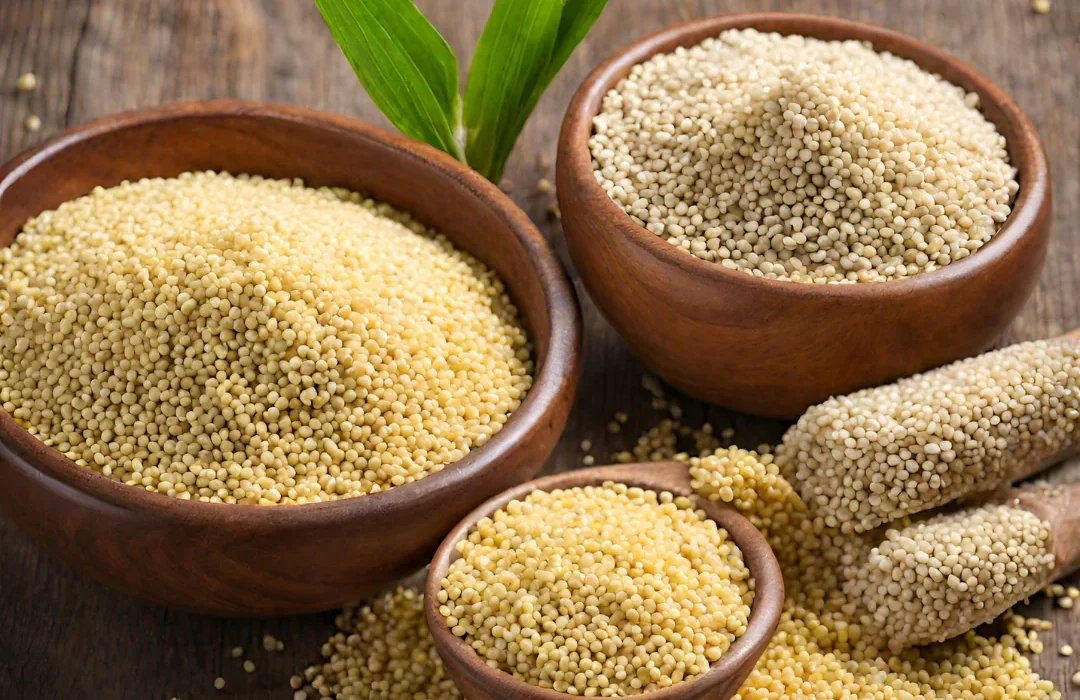
Small grain, big utility, little millet cooks into a fluffy, rice-like texture that works in everything from pongal to curd rice, with far more iron than the rice it replaces.

Like every millet on this site, Little Millet is covered end to end on this page: verified nutrition data, evidence-aware health benefits, cooking methods that actually work, storage guidance, tested recipes and honest buying advice. Values shown are typical for the raw grain and are placeholder demo data, verify against a lab-tested label or the Indian NIN food composition database before publishing.

Nutrition Facts

Little Millet

Per 100g, raw (demo data)
Calories ~341 kcal (raw) g
Protein 7.7 g g
Dietary Fiber 7.6 g
Carbohydrates 60–70
Fat 2–4
Iron 9.3 mg
Glycemic Index Low–Medium
Source: Indian NIN food composition tables (placeholder) · Data as of 2026-07-01

Health Benefits

Steadier blood sugar

A lower glycemic response than white rice or refined wheat in most published comparisons, the fiber slows glucose release.

Naturally gluten-free

Safe for gluten-sensitive diets with no processing required; check packs for certified handling if celiac.

Minerals that matter

Notably iron (9.3 mg/100g) plus magnesium and phosphorus, minerals many grain-heavy diets run short on.

Fiber for satiety & gut health

7.6 g of fiber per 100g keeps you full longer and feeds the gut microbiome.

These statements describe general nutritional properties and are not medical advice. Consult a doctor or registered dietitian for guidance specific to any health condition.

Cooking Methods

Absorption method (like rice)

Rinse twice, soak 20–30 minutes, then simmer 1 cup grain in 2–2.5 cups water for 15–20 minutes until the water is absorbed. Rest 5 minutes, fluff.

Pressure cooker

Rinsed grain + 2 cups water per cup of millet, 2–3 whistles on medium. Fastest weekday method.

As flour

Grind or buy milled flour for rotis, dosa batter and baking, best mixed 50:50 with another flour the first few times.

How to Store

  • Airtight container in a cool, dry place, 6–12 months unopened.
  • Refrigerate the flour; whole grain keeps far better than milled.
  • Add a dried bay leaf or neem leaves to deter pantry insects.

Little Millet Recipes

View All Little Millet Recipes →

Frequently Asked Questions

Yes, like all true millets, Little Millet is naturally gluten-free with no processing required. If you have celiac disease, still check the pack for a certified gluten-free label to rule out cross-contamination at the mill.

Most healthy adults do well with one millet-based meal a day (roughly 50–80g dry weight). Individual needs vary, check with your doctor or a registered dietitian, especially if you manage a thyroid or kidney condition.

See our buying guides for tested picks across Amazon, Flipkart and HealthKart, with per-kg pricing and purity notes for each brand.

Explore Other Millets

banner-img
1 min read
Little Millet · Health & Nutrition

Millets for PCOS: A Practical Starter Guide

Insulin resistance sits at the center of most PCOS presentations, which is why low-glycemic carbohydrate swaps are one of the most commonly recommended dietary changes. Millets are associated with lower glycemic response than refined grains in most comparisons.

This page contains affiliate links. If you buy through them, Milletroot may earn a small commission at no extra cost to you. Full disclosure →